
About Orthodontics

How Orthodontic Treatment Works
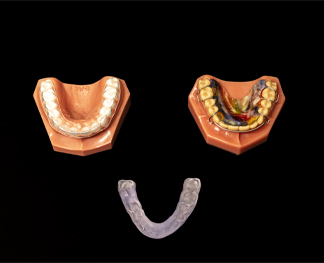
Orthodontic appliances are made of metal, ceramic, or plastic. They may be removable or they may be brackets bonded to the teeth. By placing a constant, gentle force in a carefully controlled direction, braces slowly move teeth to the proper position.
Gone are the days when a metal band with a bracket was placed around each tooth. You can now choose clear or metal brackets and, in some cases, the color of your appliance. Wires are far less noticeable, and the latest materials are designed to move teeth faster with more comfort. Today, any age is a great time to wear braces!
Scheduling Appointments
Visiting the orthodontist every four to eight weeks is an essential part of your orthodontic treatment. Regular checkups last between 20 and 40 minutes. Our practice will work with you to make sure your appointments are scheduled around your busy schedule; so you will spend less time in the dental chair, and more time enjoying the things you love to do.
We understand that “life happens,” so if you’re running late or need to reschedule, please let us know, and we will do everything we can to accommodate you. When you’re ready to schedule your first appointment, call our practice at (802) 864-6881 we’re looking forward to working with you.
Visiting the dentist during orthodontic treatment
It is vital that you continue to visit your family dentist once every six months for teeth cleanings and routine dental checkups, even during your orthodontic treatment. If extra dental care is needed, we will be happy to coordinate with your family dentist to make sure you receive the best possible care.
Duration of Treatment
Treatment time varies and can last between one and three years, depending on several factors, including age, treatment method, and how minor or severe your case is. A big factor in a successful treatment is you! The more involved and diligent you are, the more efficient your treatment will be. For children, receiving interceptive or early treatment can also help ensure a quicker treatment time.
Before beginning your orthodontic care, your doctor will discuss all your options and provide an estimate for how long your full treatment may take. Please contact our practice to schedule an appointment and learn more about orthodontics and the treatments we provide.
Office Visits
Our greatest goal is to give you the healthy, straight, and beautiful smile you’ve always wanted. We understand that choosing to receive orthodontic care is a big decision, and we respect your reasons for wanting to improve the way you look and feel.
Our practice will work with you every step of the way to make sure your orthodontic care is as comfortable, convenient, and rewarding as possible. We’ll use the latest technology, and offer a variety of safe and gentle treatment options to give you the customized, individual care you deserve.
Every smile starts with a complimentary consultation!
Your complimentary consultation will give you the opportunity to meet our team, as well as learn more about orthodontics, receive a complete initial exam, and find out which treatment options will best meet your needs. During your complimentary consultation, one of our orthodontists will:
• Review your dental and medical history forms
• Perform a complete oral exam, with X-rays, to determine whether treatment is necessary
• Help you create a customized treatment plan
• Discuss all financial information, insurance options, and payment plans
During your complimentary consultation, we will explain everything you will need to know about your orthodontic treatment, so you can choose what’s best for you.
Life with Braces
Now that you have your braces, how do you take care of them? It’s worthwhile for you to know how to take care of your braces properly throughout your entire orthodontic treatment.
Eating with Braces
Don’t worry; you’ll be eating popcorn and snacking on potato chips again in no time! Before you can start enjoying some of the treats you love, however, you will need to take special care to avoid any foods that could damage your new appliances.
Foods to avoid with braces
• Chewy foods — bagels, licorice
• Crunchy foods — popcorn, chips, ice
• Sticky foods — caramel candies, chewing gum
• Hard foods — nuts, hard candies
• Foods that require biting into — corn on the cob, apples, carrots
Foods you CAN eat with braces
• Dairy — soft cheese, pudding, milk-based drinks
• Breads — soft tortillas, pancakes, muffins without nuts
• Grains — pasta, soft cooked rice
• Meats/poultry — soft cooked chicken, meatballs, lunch meats
• Seafood — tuna, salmon, crab cakes
• Vegetables — mashed potatoes, steamed spinach, beans
• Fruits — applesauce, bananas, fruit juice
• Treats — ice cream without nuts, milkshakes, Jell-O, soft cake
Soreness Caused from Braces and Appliances
When you first get your braces, you may notice that your teeth and mouth feel a little tender or sore. This is perfectly normal, and we promise your mouth will not be sore forever! To relieve the pain, we recommend dissolving one teaspoon of salt in eight ounces of lukewarm water. Swish and gargle this solution in your mouth for just a couple of minutes, but do not swallow the salt water.
If the pain is more severe and does not go away after rinsing, you can also try taking a pain reliever. It is not uncommon for your lips, cheeks, and tongue to become irritated for one to two weeks as they toughen and become used to the braces. We would be happy to give you some wax you can put over the braces to lessen the tenderness. If you need some wax, please let us know.
Loose Teeth
If your teeth begin to feel a little loose, don't worry; this is normal! Your braces must first loosen your teeth to move them into the right position. Once your teeth have been repositioned, they will no longer be loose.
Loose Wires and Bands
The wires and bands on your braces may come loose. If this happens, please contact us as soon as possible so we can check and repair your appliance. If any piece of your appliance comes off, be sure to save it and bring it to the office with you.
You can fix the loose wire temporarily by using the back of a spoon or the eraser end of a pencil to push the wire carefully and gently back into place. If the loose wire is causing irritation to your lips or cheeks, put wax or a wet cotton ball over it to relieve the pain.
Take Care of Your Appliances
Damaged appliances can increase the length of your treatment process, so be sure to take care of all your appliances. Your teeth and jaw can only move into their correct positions if you wear the rubber bands, headgear, retainer, or other appliances consistently as prescribed by your doctor.
Playing Sports with Braces
Game, set, and match — we have great news for athletes! You can still play sports even while undergoing orthodontic treatment! If you play sports, it’s recommended that you wear a mouthguard to protect your teeth and your appliance. Let us know if you need help finding the right mouthguard for the best protection.
In case of a sports emergency, be sure to check your mouth and appliance immediately for damage. If you notice any loose teeth or appliance damage, please contact our office right away. You can temporarily relieve the discomfort by applying wax or rinsing your mouth with warm salt water.
 Website Powered by Sesame 24-7™